
Last Updated on September 12, 2026
The Ultimate Guide to Fall Crop Planting: Tips and Tricks for a Bountiful Harvest
As the summer heat fades away and the crisp air of fall settles in, it’s time to prepare your garden for a bountiful harvest. Fall crop planting is a crucial season for both seasoned gardeners and beginners alike. But with so many crops to choose from and various planting techniques to consider, where do you start? Our ultimate guide to Fall crop planting is here to help. Whether you have a small backyard garden or a spacious allotment, this comprehensive guide will provide you with all the tips and tricks you need to optimize your harvest this season. From selecting the right crops that thrive in cooler temperatures to understanding the importance of soil preparation and choosing the best planting methods, we’ve got you covered. We’ll also share expert advice on timing your plantings, protecting your crops from frost, and maximizing your space for a plentiful yield. Don’t let fall’s shorter daylight hours deter you – with our guide, you’ll be well-equipped to make the most of this season and reap the rewards of your gardening efforts. Get ready to dig in and watch your garden flourish this fall!
The Fall Crop Planting Strategy
Fall succession planting is all about capitalizing on the waning days of summer while setting the stage for a bountiful autumn harvest. The principle is simple: as certain warm-weather crops conclude their production, we replace them with cool-weather alternatives that thrive in the milder conditions of fall. This strategic transition ensures a continuous supply of fresh produce as we bid adieu to summer and welcome the crisp embrace of fall.
Fall Crop Planting Tips: Setting the Stage for Success
As the days grow shorter and the air turns crisper, your garden is getting ready for its second act of the year. Fall gardening presents a fresh set of challenges and opportunities, and with the right preparation, you can ensure a bountiful harvest. Here are some essential tips to set the stage for a successful fall crop planting:
- Soil Preparation: A Foundation for Growth: Before planting your fall crops, it’s crucial to ensure that your soil is nutrient-rich and well-draining. Amending the soil with organic compost can help replenish nutrients and improve soil structure, setting the stage for healthy plant growth.
- Mulching: A Blanket of Protection: Applying a layer of mulch around your plants serves multiple purposes. It helps conserve soil moisture, regulate soil temperature, and suppress weed growth. Consider using straw, leaves, or compost as effective mulching materials to keep your plants thriving.
- Watering Strategies: Tailoring to Fall Needs: Adjust your watering schedule to match the changing weather conditions. While fall generally brings more moisture, make sure your plants receive adequate hydration. Water early in the day to allow time for foliage to dry, reducing the risk of fungal diseases.
- Pest Management: Guarding Against Intruders: Fall doesn’t mean pests have retired – many remain active. Keep an eye out for aphids, cabbage worms, and other common fall garden pests. Employ natural pest control methods such as hand-picking or using insecticidal soap to manage infestations.
- Planting Timelines: Know Your First Frost Date: Familiarize yourself with your region’s average first frost date. This knowledge is essential for determining the timing of your fall plantings. Count backward from the frost date to ensure your crops have sufficient time to mature before the colder temperatures arrive.
- Choosing the Right Crops: Optimal Fall Varieties: Select crops that are well-suited for fall gardening. Leafy greens like kale, spinach, and lettuces thrive in cooler temperatures, as do root vegetables such as carrots, beets, and radishes. Consult your local gardening extension for crop recommendations.
- Succession Planting: Extending the Harvest: Embrace the concept of succession planting to prolong your harvest window. As you harvest one crop, replant the space with another. This strategy ensures a continuous supply of fresh produce throughout the season.
- Protecting from Frost: Be Prepared: As the fall season progresses, be ready to protect your crops from unexpected frosts. Have frost cloth or other protective coverings on hand to shield your plants during chilly nights. Cold frames can also be helpful, check out our guide for 5 Tips for Using a Cold Frame.
- Monitoring and Adaptation: Stay Attentive: Continuously observe your garden’s condition and adapt your care routines accordingly. Regular monitoring allows you to address any issues promptly and make necessary adjustments to optimize plant growth.
- Taking Note for Next Year: Learning from Experience: Fall crop planting is an ongoing learning process. Keep a garden journal to record successes, challenges, and observations. This valuable resource will serve as a guide for future fall seasons, helping you refine your strategies.
Assessing the Summer Holdouts
In the video above we provide an insightful garden tour of our late August crops. As the warm days begin to mellow and the first whispers of fall frost become audible, some crops still stand strong, producing abundantly. Swiss chard and kale maintain their productivity well into fall, reminding us of their resilience.
Yet, other crops are winding down, paving the way for new fall crop planting opportunities. Peppers, melons, jalapenos, eggplants, tomatoes, cucumbers, and beans are beginning to taper their yields, signaling the end of their summer reign.
Gearing Up for Fall: The Ideal Replacements
1. Lettuce Varieties: Red romaine and Bibb lettuce step onto the stage as replacements. Their affinity for cooler temperatures makes them the perfect additions for a fall garden.
2. Peas: Fall is also an excellent time to succession plant peas. By planting new pea seeds as the summer peas complete their cycle, you ensure a steady supply of these delightful pods.
3. Brassicas: Say hello to the brassicas! Where your first plantings of broccoli once flourished, you can now introduce transplants of Brussels sprouts, destined for a November harvest.
4. Root Vegetables: As temperatures dip, root vegetables shine for fall crop planting. Radishes, beets, and various carrot varieties make their entrance. The cooler weather encourages carrots to convert starch into sugar, resulting in sweeter, more flavorful roots.
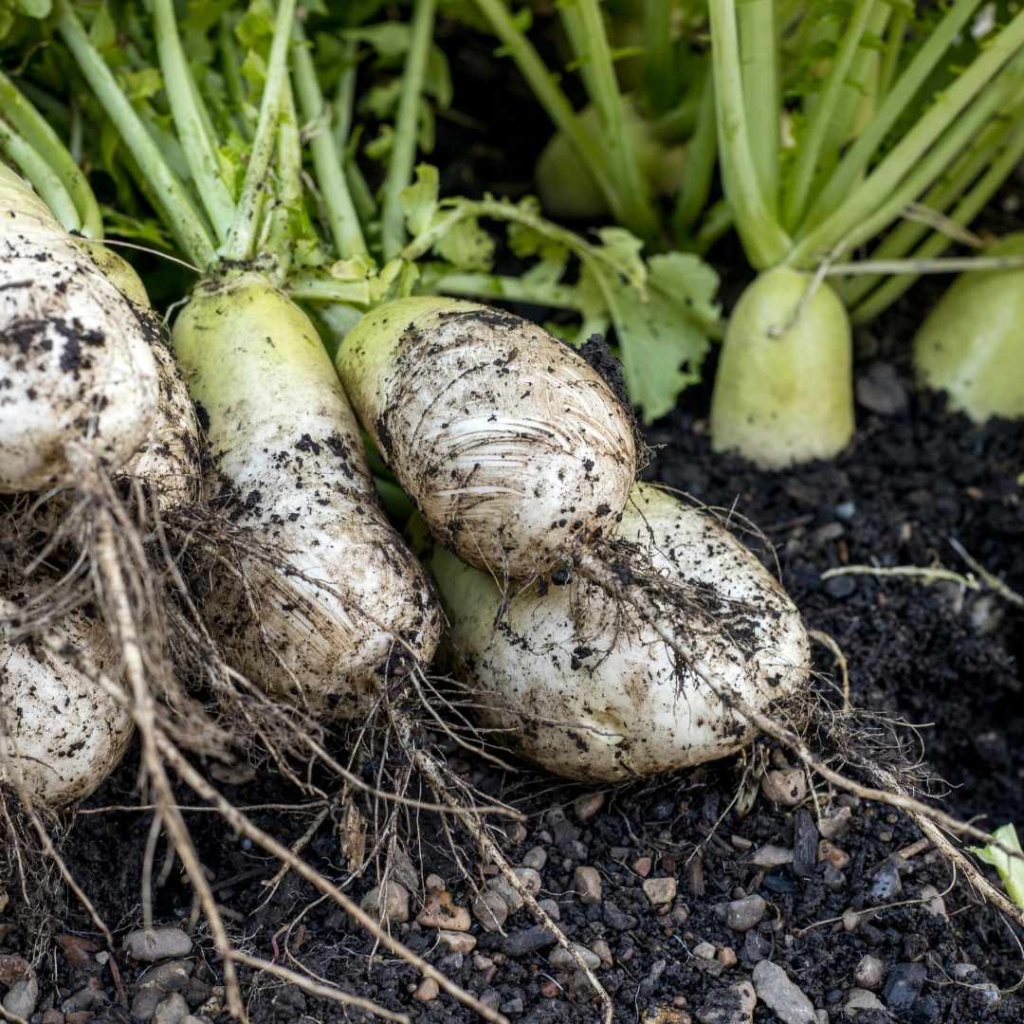
For a clearer understanding, here’s a visual breakdown of summer crops that tend to fade as fall approaches, along with the cool-weather replacements that can grace your garden:
Summer Crops: Peppers, Melons, Eggplants, Tomatoes, Cucumbers, Beans, Squash
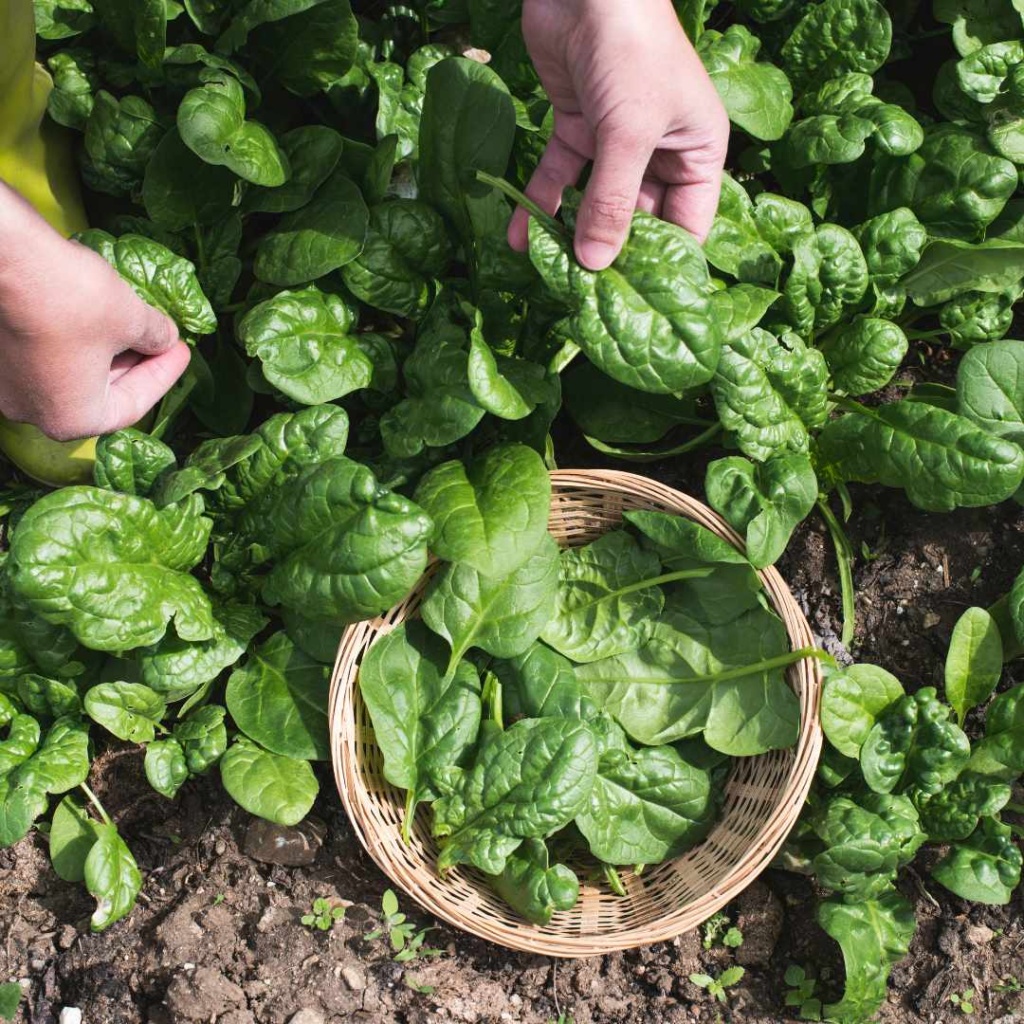
Cool-Weather Fall Crop Planting Alternatives: Red Romaine Lettuce, Bibb Lettuce, Peas, Brassicas (like Brussels sprouts), Root Vegetables (Radishes, Beets, Carrots), Spinach
Feel free to mix and match these options based on what works best for your garden and climate.
Managing Frost: Safeguarding Your Late-Season Crops
As autumn’s chill begins to creep in, protecting your late-season crops from the threat of frost becomes crucial. In this section, we’ll delve into effective strategies to shield your plants from the cold embrace of frost and ensure a thriving fall harvest.
- Understanding Frost and Its Impact Before we explore protective measures, let’s grasp the basics. Frost occurs when the temperature drops below freezing, causing ice crystals to form on plant surfaces. This can damage cells and lead to plant withering or even death. Understanding frost patterns in your region will aid in planning and prevention.
- Frost Cloth: Your Shield Against the Chill Frost cloth, also known as row cover or floating row cover, is a garden ally during chilly nights. This lightweight fabric creates a protective barrier that traps heat radiating from the ground, effectively raising the temperature around your plants. It’s easy to use – drape it over your crops, securing the edges to prevent wind from lifting it.
- DIY Protective Barriers: Creative Solutions Crafting your own protective barriers can be both practical and inventive. Consider using materials like old bed sheets, burlap sacks, or cardboard boxes. These can be placed strategically over delicate crops or fastened into makeshift tents to shield plants from direct exposure to frost.
- Frost-Resistant Varieties: Nature’s Resilience Nature offers its own defense against frost – frost-resistant plant varieties. When selecting your late-season crops, opt for varieties that have shown resilience to cold temperatures. These hardy plants are better equipped to endure sudden temperature drops without succumbing to frost damage.
- Mulching: Blanketing Your Garden Beds Mulching isn’t just for keeping the soil moist during the heat. A layer of mulch around your plants acts as a natural insulator, preventing rapid temperature fluctuations. Straw, leaves, or compost can be used as effective mulching materials to keep your soil and plants protected.
- Watering Strategies: Thermal Regulation Proper watering plays a role in frost protection. Well-hydrated plants are more resilient to frost damage. Water the soil around your plants a day before an expected frost. Moist soil absorbs and retains heat better than dry soil, offering thermal protection to plant roots.
- Timing Is Key: Covering Your Plants Anticipating frost and covering your plants in the evening can make all the difference. As the sun sets and temperatures drop, cover your crops with frost cloth or any protective material. Remember to remove the cover during the day to allow sunlight and air circulation.
- Keep an Eye on the Forecast: Be Prepared Stay informed about weather forecasts, especially frost warnings. Utilize weather apps or local gardening resources to receive timely updates. Being proactive allows you to take protective measures well in advance.
- Garden Placement: Utilizing Microclimates Strategically positioning your garden can help mitigate frost risk. Planting in elevated areas, near structures that radiate heat, or along south-facing walls can create microclimates that offer a slight temperature buffer.
With these frost management strategies at your disposal, you can confidently navigate the transition from warm summer days to cooler fall nights. By protecting your late-season crops, you ensure their continued growth and contribute to a thriving autumn harvest. Remember, a little preparation goes a long way in keeping your garden resilient against unpredictable weather changes.
Harvesting and Storing: Tips for Prolonging Freshness
As the vibrant colors of fall adorn your garden with a bounty of produce, it’s essential to master the art of harvesting and storing to preserve that freshness for as long as possible. These tips will guide you in maximizing the lifespan of your fall harvest:
- Harvesting at the Right Time: Each crop has an optimal harvesting window. Familiarize yourself with the signs of readiness for each vegetable. For instance, root vegetables like carrots and beets should be firm and well-colored, while lettuce should be crisp and tender.
- Morning Harvests: Harvesting your crops in the early morning when temperatures are cooler helps retain their moisture and nutritional content. The plants are less stressed and have absorbed the morning dew, making them less prone to wilting during harvest.
- Gentle Handling: Treat your harvested produce with care. Use a clean and sharp pair of gardening scissors or shears to avoid damaging the plant. Handle fruits and vegetables gently to prevent bruising and cuts.
- Washing Techniques: Some crops require washing before storage to remove dirt, while others are best stored unwashed. Use a soft brush or cloth to gently clean the dirt off root vegetables, and gently wipe delicate greens with a damp cloth if needed.
- Drying Thoroughly: After washing, ensure that your vegetables are thoroughly dried before storing. Excess moisture can lead to mold and spoilage. A clean towel or paper towels work well for this purpose.
- Storage Containers: Choose the right storage containers to maintain freshness. Use perforated plastic bags, airtight containers, or even breathable cloth bags for different types of produce. Avoid overcrowding the containers, allowing for proper air circulation.
- Root Cellar or Refrigerator? Some fall crops thrive in cooler storage conditions. Utilize a root cellar or a cool, dark corner of your basement for root vegetables like carrots and beets. Leafy greens, on the other hand, are best stored in the refrigerator’s crisper drawer.
- Ethylene Management: Certain vegetables emit ethylene gas, which can accelerate the ripening and spoilage of nearby produce. Keep ethylene-producing vegetables like tomatoes away from ethylene-sensitive crops like lettuce and carrots.
- Monitor Regularly: Even with optimal storage, it’s essential to keep an eye on your stored produce. Check for any signs of spoilage or rot, and promptly remove any affected items to prevent them from affecting others.
- Preserving Herbs: If you have an abundance of herbs, consider drying or freezing them for later use. Herbs can be bundled and hung upside down to air dry, or chopped and frozen in ice cube trays with a bit of water.
By following these harvesting and storage tips, you’ll be able to prolong the freshness of your fall bounty. Enjoy the flavors of the season well beyond harvest time, savoring the rewards of your gardening efforts throughout the colder months.
Embrace the Fall Abundance
As summer gracefully bows out and the autumn breeze rustles through your garden, fall succession planting ensures a continuation of the harvest season. By thoughtfully replacing spent warm-weather crops with their cool-weather counterparts, you extend the vibrant life of your garden and savor the flavors of fall. For more insights and a visual garden tour, be sure to watch our video. Happy gardening, and may your fall harvest be bountiful!
Need help planning your square-foot garden? Plan it free in minutes.
Enter your zip code, draw your beds, pick your crops, and get a personalized planting schedule for your exact location. Free to start, no guesswork.
Your Fall Succession Planting FAQs: Answers for a Bountiful Autumn Garden
Fall succession planting is a gardening technique where you replace spent warm-weather crops with cool-weather alternatives as the summer season transitions into fall. This strategy ensures a continuous supply of fresh produce throughout the changing seasons.
Fall succession planting maximizes your garden’s productivity by utilizing the space left by fading summer crops. It allows you to enjoy a prolonged harvest season, making the most of the favorable conditions in early fall.
Some warm-weather crops that typically wind down by late summer include peppers, melons, eggplants, tomatoes, cucumbers, and beans.
Depending on your preferences and climate, you can replace these crops with a variety of cool-weather alternatives such as red romaine lettuce, Bibb lettuce, peas, Brussels sprouts, radishes, beets, carrots, and spinach.
Consider your local climate, the expected frost dates, and the preferences of your family. You can choose from a range of cool-weather crops based on what grows well in your region and what you enjoy eating.
Yes, fall succession planting can be adapted to different garden sizes, from small raised beds to larger plots. It’s a flexible strategy that can be customized to suit your available space and gardening goals.
Late August to early September is an ideal time to begin fall succession planting. This allows you to make the most of the remaining warm days while preparing your garden for the cooler months ahead.
Start by assessing your garden to identify crops that are slowing down or finishing their production. Remove these crops and replace them with suitable cool-weather alternatives. Prepare the soil by adding compost.
Absolutely! By implementing fall succession planting, you’ll have a steady supply of fresh vegetables well into late fall. Cool-weather crops tend to thrive in the milder temperatures, ensuring you can savor the flavors of autumn straight from your garden.